
High Performance Thermal Insulation
Manufacturer · Supplier · Fabricator
We are a leading supplier of high performance thermal insulation materials through The Gund Company and our subsidiary, VRI Composites. Manufacturers use our thermal insulation materials on heat presses, injection molding equipment, and furnaces where heat needs to stay where it is generated instead of escaping into the press frame or surrounding equipment.
THE LEADER IN HIGH-PERFORMANCE THERMAL INSULATION
Our thermal insulation materials hold up under the mechanical and thermal loads that heated presses and molds place on insulation over years of continuous cycling. They combine high temperature resistance with low thermal conductivity, and they stay mechanically stable at elevated temperature, including holding parallelism under repeated pressing cycles. We also build in easy machinability, corrosion and chemical resistance, and long-term durability, which keeps the total cost of ownership lower than swapping out insulation that degrades faster under the same conditions.
APPLICATION EXPERTISE
Our thermal insulation materials go into presses and molds across several manufacturing processes, each with different heat and pressure requirements.
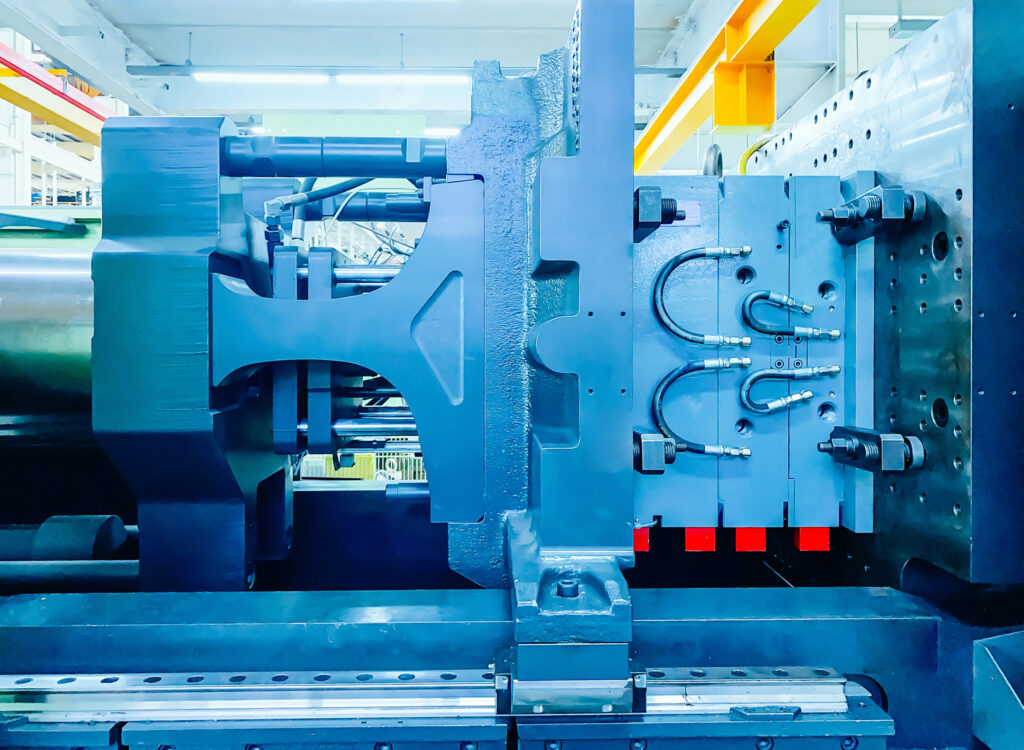
PLASTIC INJECTION PRESSES
Thermal insulation for plastic injection molds improves product quality and decreases operating costs.
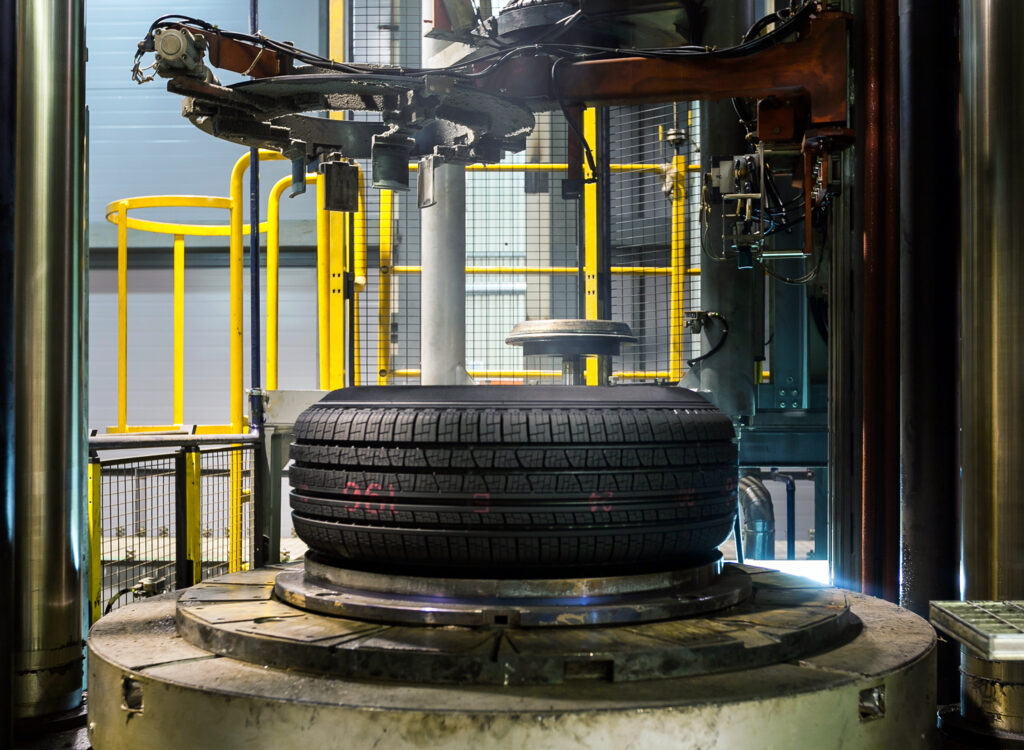
HYDRAULIC TIRE PRESSES
Hydraulic tire presses equipped with insulated, heated platens used to vulcanize car tires, two-wheel tires, and plane tires.
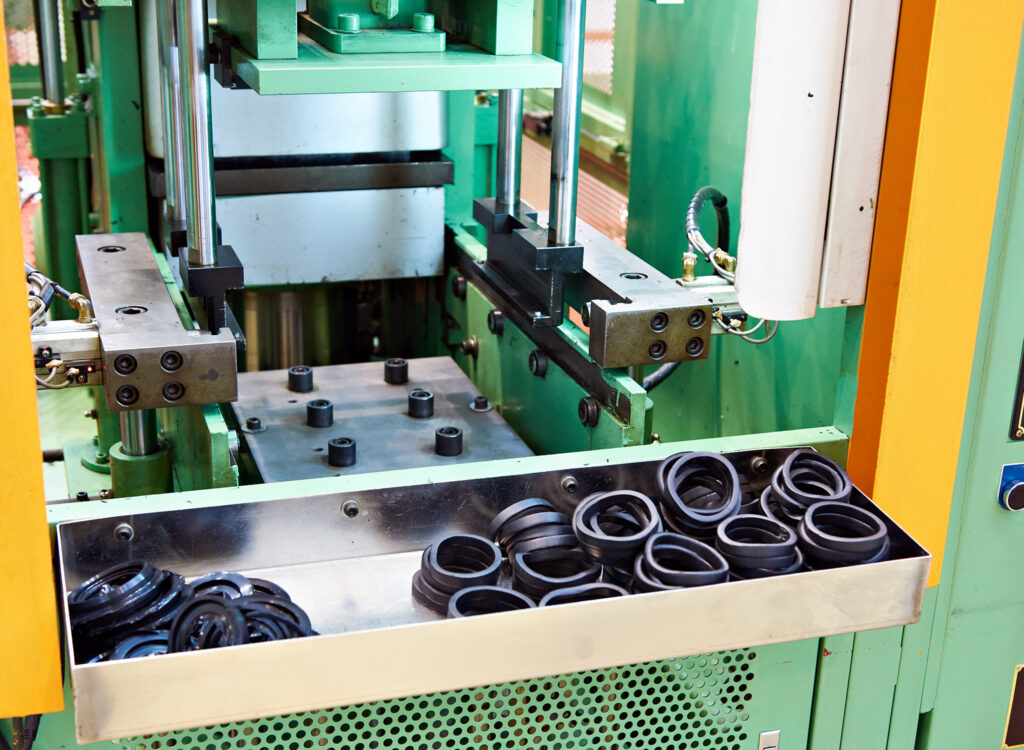
RUBBER INJECTION MOLDS
Heated insulation for injection presses used to manufacture seals, gaskets, membranes, connectors, and parts for medical and domestic applications.
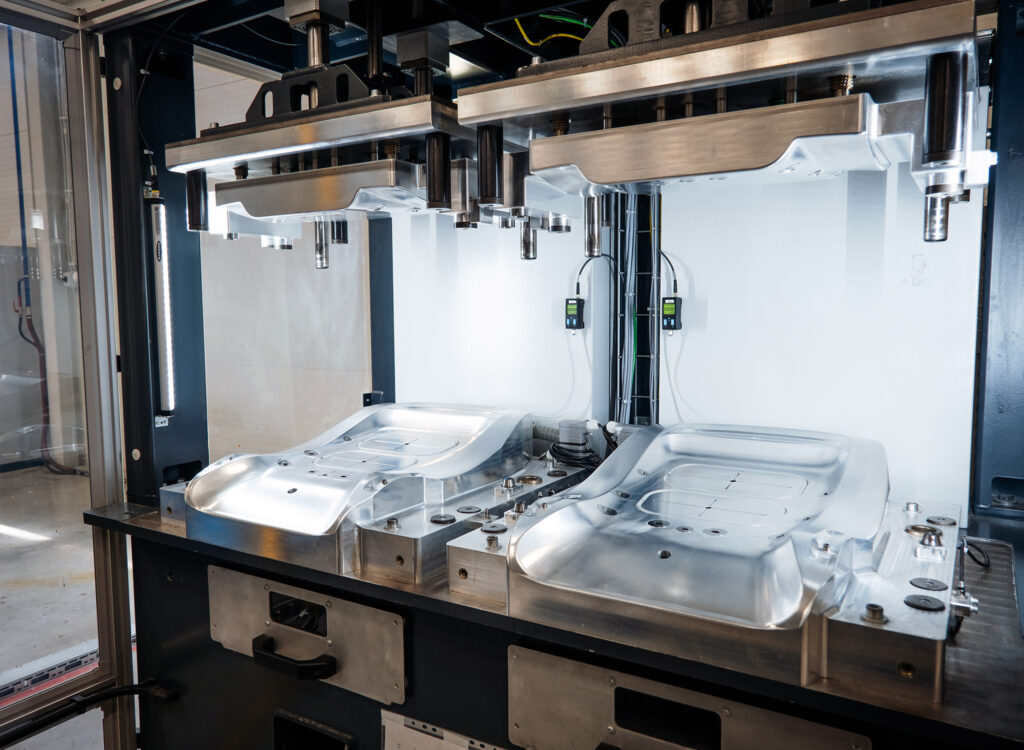
PRECISION 3-D MOLDS
A key component in high-tech molds that require a complete array of thermal insulation installed on end user presses at parts manufacturers.
COMPARING OUR THERMAL INSULATION GRADES
We manufacture several grades of thermal insulation under our Vetrotherm and Pamitherm product lines, each suited to a different combination of operating temperature, flexural strength, and thermal conductivity. Vetrotherm HPL Standard Grade holds 730 MPa flexural strength at up to 280°C with 0.25 W/mK thermal conductivity, while Vetrotherm R offers a more economical HPL option rated to 260°C. Vetrotherm F is our LPL standard grade rated to 230°C, and Vetrotherm S is a high-temperature index laminate rated to 350°C with lower thermal conductivity at 0.22 W/mK. Vetrotherm Light has our lowest thermal conductivity at 0.15 W/mK for applications where minimizing heat transfer matters more than maximum flexural strength. Pamitherm is our highest operational temperature grade, rated to 600°C, for presses and molds running hotter than standard HPL and LPL laminates can handle.
CORE THERMAL INSULATION PRODUCTS & CHARACTERISTICS
| Material Name | Feature | Flexural Strength | Short-term Operational Temperature | Thermal Conductivity |
| VETROTHERM (metric) (imperial) | HPL Standard Grade | 730 MPa 106 ksi | 280°C 540°F | 0.25 W/mK 1.70 BTU in / ft2 hr °F |
| VETROTHERM R (metric) (imperial) | Economical HPL Grade | 650 MPa 94 ksi | 260°C 500°F | 0.30 W/mK 2.00 BTU in / ft2 hr °F |
| LPL Standard Grade | 180 MPa 26 ksi | 230°C 450°F | 0.30 W/mK 2.00 BTU in / ft2 hr °F | |
| VETROTHERM S (metric) (imperial) | High-temperature Index Laminate | 180 MPa 26 ksi | 350°C 660°F | 0.22 (W/mK) 1.50 BTU in / ft2 hr °F |
| VETROTHERM LIGHT (metric) (imperial) | Lowest Thermal Conductivity | 130 MPa 19 ksi | 230°C 450°F | 0.15 W/mK 1.10 BTU in / ft2 hr °F |
| PAMITHERM® (metric) (imperial) | Highest Operational Temperature | 170 MPa 25 ksi | 600°C 1100°F | 0.18 W/mK 1.25 BTU in / ft2 hr °F |
GLOBAL MANUFACTURING & TECHNICAL SUPPORT
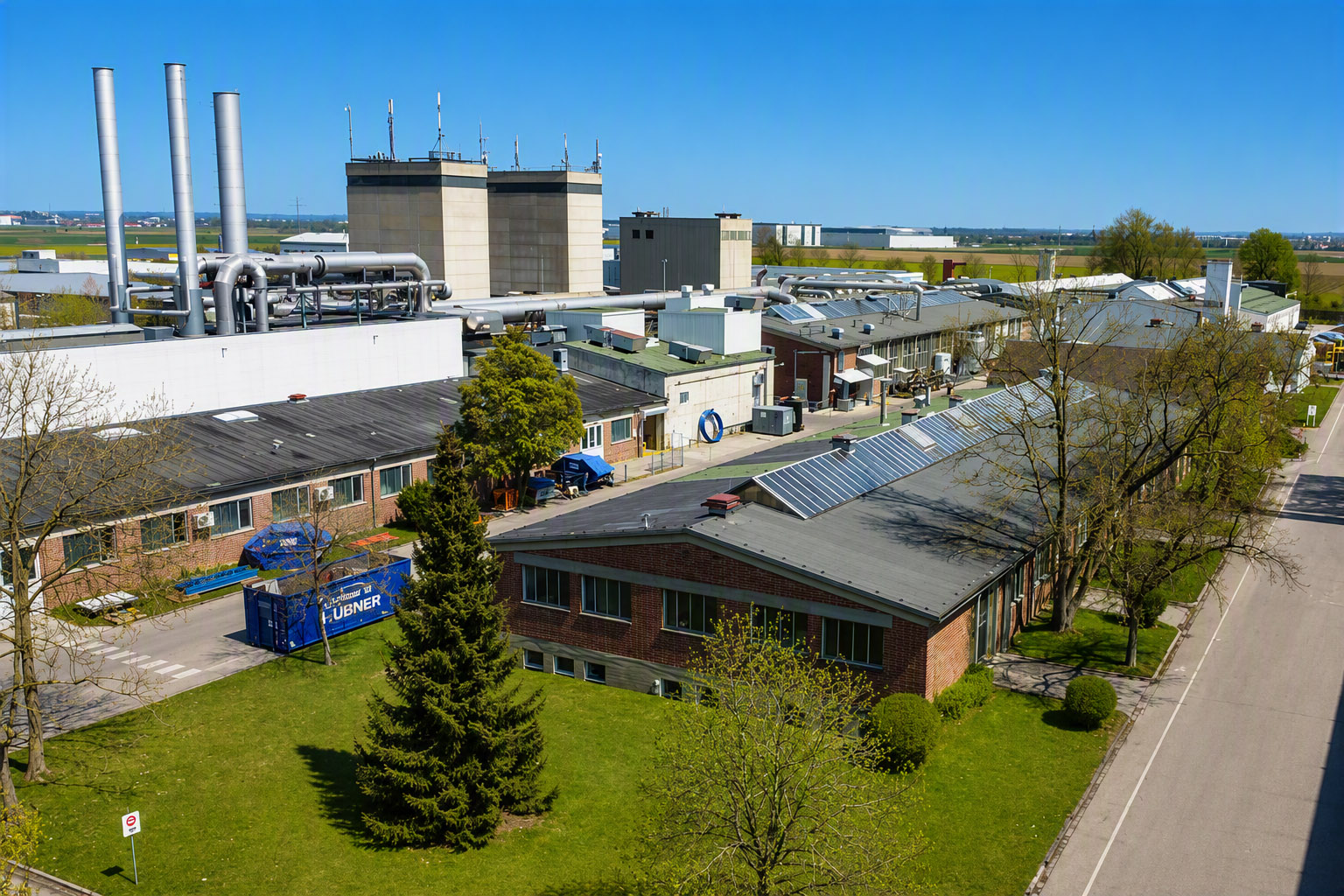
We operate manufacturing sites and sales offices in North America, Europe, and Asia, which keeps lead times short regardless of where your press or mold operation is located. Our technical and application teams work with your engineering group to select the right insulation grade for your specific press or mold, backed by our own testing capabilities rather than relying only on published datasheet values. We also handle custom machining, fabrication, flexible conversion, sub-assemblies, and finishing in-house, so insulation components arrive ready to install rather than requiring additional processing on your end
WHY TRUST THE GUND COMPANY
- Materials designed to meet customers’ most challenging insulation needs
- Widest array of industry leading products
- Global sales offices and manufacturing sites in North America, Europe and Asia to ensure local service and short lead times
- Well-earned reputation for strong materials performance and durability
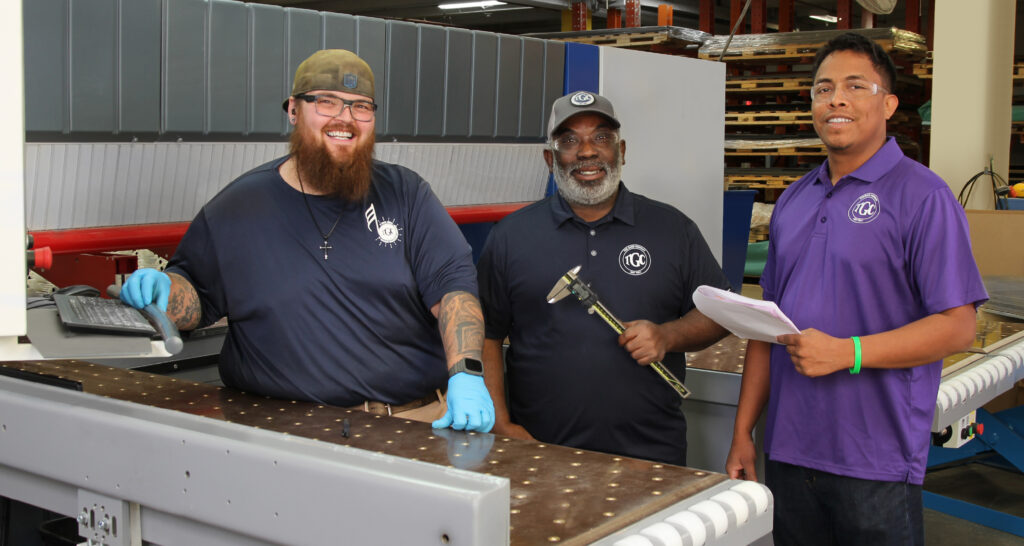
- Broad technical and application expertise
- Advanced testing capabilities and engineering knowledge
- Extensive capacity for custom machining, fabrication, flexible conversion, sub-assemblies and finishing
READY TO GET STARTED?
Ready to source high-performance thermal insulation or get a quote on custom-fabricated components? Our team is ready to review your drawings, specifications, or material requirements.
Contact us today to get started!
FREQUENTLY ASKED QUESTIONS
Repeated thermal cycling is what causes lower-grade insulation materials to lose flexural strength or parallelism over time, which is why we rate our Vetrotherm and Pamitherm® grades for mechanical stability at elevated temperature rather than only rating them at a single static temperature. The grade you need depends on how many cycles per day your press runs and how close to the rated temperature ceiling you operate.
Our thermal insulation materials are designed for easy machinability, so we regularly supply stock sheet as well as finished, machined components. If your press design changes or you need a modified geometry, machining the board after manufacture is a normal part of how these materials are used.
HPL, or high pressure laminate, generally delivers higher flexural strength ratings, which is why our HPL grades like Vetrotherm and Vetrotherm R carry the highest flexural strength numbers in our lineup. LPL grades such as Vetrotherm F trade some of that strength for a different cost and performance balance. The right choice depends on the mechanical load your press platen places on the insulation, not just the operating temperature.
Yes. Since thermoset materials are permanently cured and dimensionally stable, they can be machined with precision and maintain tight tolerances during operation. In our manufacturing facilities, we machine thermoset laminates using CNC equipment and produce components exactly according to customer drawings and specifications. Furthermore, we use high-quality raw materials for production, ensuring that our materials retain their tolerances during actual use when applied correctly.
Yes. While plastic injection presses, tire presses, and rubber injection molds are common applications, our thermal insulation materials are also used in furnace applications where high temperature resistance and low thermal conductivity are required, particularly Pamitherm® for the highest temperature environments.