
Flashover Mitigation Strategies for Insulated Copper Bars
Introduction
In high-voltage electrical systems, the risk of flashover—an unintended electrical discharge across an insulating surface—poses a serious threat to equipment reliability and operational safety. Flashover events can lead to insulation failure, equipment damage, and costly unplanned outages.
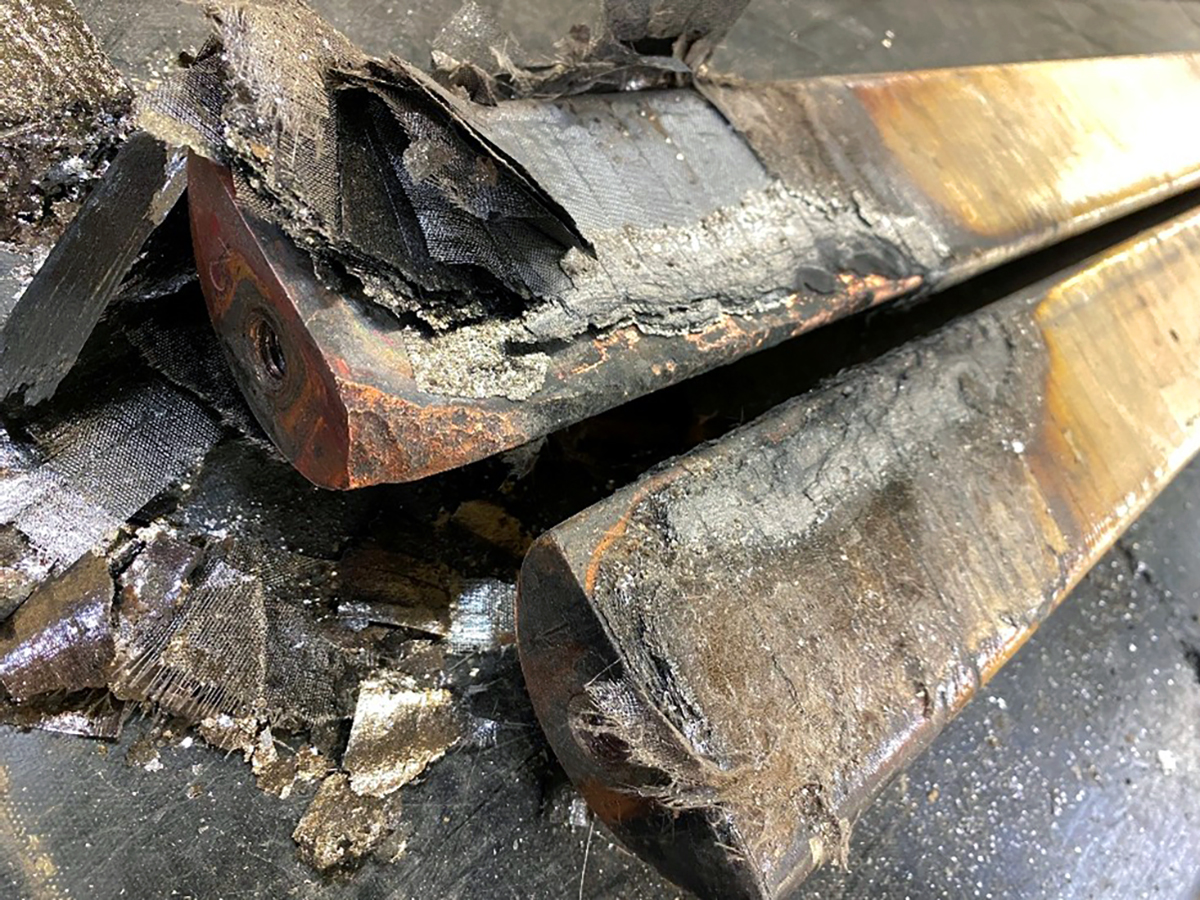
One area particularly susceptible to flashover is the outboard side of the bore copper on a 2-pole turbo generator rotor, especially in legacy designs where the outboard faces of the bore copper were intentionally left uninsulated. In these configurations, flashover prevention relied solely on the inherent creepage distance provided by the bore copper separator. However, over time—and potentially accelerated by environmental or operational conditions—corona discharge (see Notes Appendix) from partial discharges can erode this creepage path, eventually escalating into full flashover.
In cases where a standard insulation creepage cap cannot be applied—such as when bare copper must remain exposed for bus bar connections (as in brushless excitation systems) or for flexible lead connections to older collector ring assemblies—alternative flashover mitigation strategies must be considered.
This report evaluates three such alternatives, each designed to improve flashover resistance at the exposed end-faces and corner geometries of insulated bore copper bars, where electric field concentration is most severe. Using 3D renderings to illustrate each concept, the report outlines practical, manufacturable solutions that can be tailored to specific application constraints, including space limitations, lead time, and material availability in a bore copper refurbishment.
To read the full article and gain access to our other technical white papers, click here!